Clever parrot care
Parrots are the third most popular pet in the world right now, which is why it is so important people know how to care for them properly. Whether you own a little budgie or a big scarlet macaw, we'll have all the information you need right here!
This site will cover multiple topics on parrot care ranging from diets, toys, enrichment and general care!
Pick somewhere to start!:
One of the biggest mistakes an owner can make is feeding your parrots an unhealthy or unbalanced diet. Alot of owners feed their birds on a seed only diet which is HARMFUL to their health, since seeds are high in fat and calories and don't provide birds with the nutrients they need.In the wild, parrots are free to roam around and forage for a variety of seeds, nuts, fruits, vegetables, and grains, so of course it isn't healthy or natural what most of us are feeding them! Let's have a look at what they should be eating:
Seeds: of course, seeds are a part of a parrots diets, but surprisingly, it should not be fed as a base. Parrots seed mixes that are bought from stores are okay for parrots, as long as they are given in small amounts.Pellets: parrot pellets are made of a mix of grains and vitamins that are crucial to your birds health. These should be the base of your birds diet and fed more than seeds.Vegetables: vegetables and greens are one of the most important things you can feed your birds. In the wild parrots are always feeding on vegetables, leaves, greens, grass and other things.Fruits: fruits are really healthy for birds, given a few times a week is good since they are high in sugars, feed in moderation!Nuts: most parrots go crazy for Nuts! They enjoy cracking them open and breaking them apart with their beak. Just make sure to give in moderation like fruits, since they are high in fat!
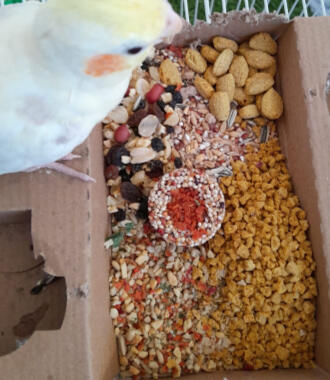
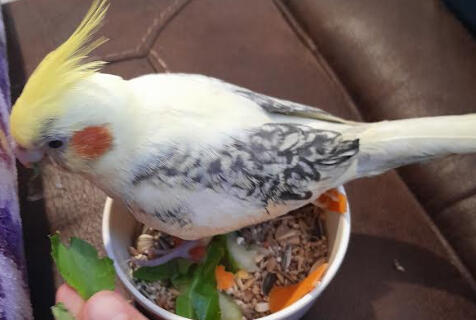
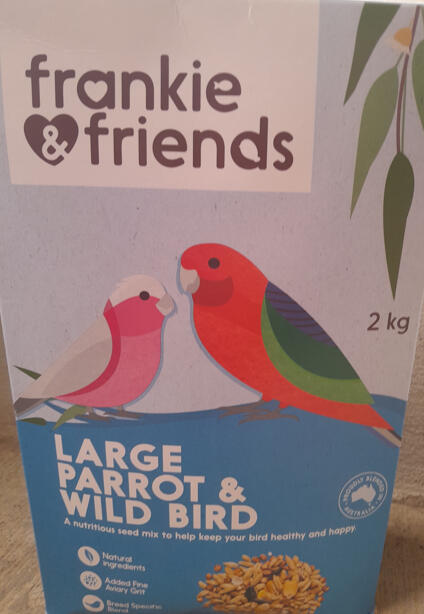
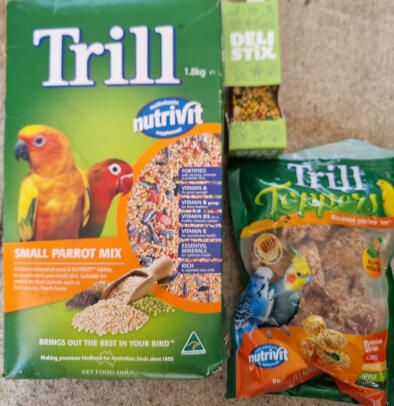
Seed mix for large parrots
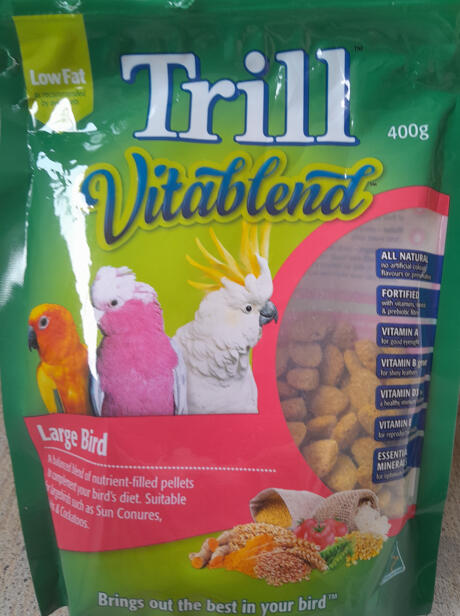
Pellet mix for large parrots
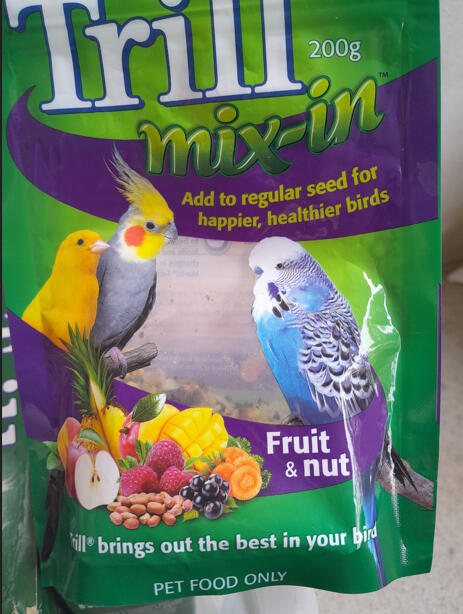
Fruit and nut mix (suitable for small and large parrots)
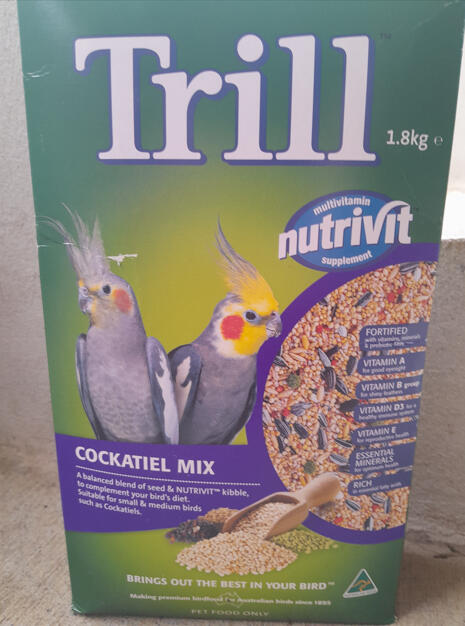
Small parrot seed mix (cockatiel)
Here is a list of TOXIC foods, DONT feed these!:
-Avocado
-Chocolate
-Cocoa
-Rhubarb
-fruit seeds or pits
-garlic
-onion
-eggplants
-Mushroom
-Raw meat
-Dairy
-Large raw beans
-Potato chips
-Tomatoes
-Nutmeg
Toys and enrichment!
Parrots are clever and natural foragers. In the wild they would be digging around for food all day, which is why we have to stimulate these behaviours at home as best as we can.Offer mental stimulation to your parrots through varities of toys, natural foraging activites and socialisation with other parrots.These are all very important to provide for your parrot to keep them busy and happy all day. If a parrot is bored and has nothing to do, they can become extremely unhappy and depressed which can lead to health issues such as self mutilation, plucking their own feathers, and decrease of appetite.Behavioral issues like excessive screaming and squawking, pacing, and chewing on unnatural materials may occur. These are all detrimental to your parrots health and the best way to avoid it is to give them toys and activities to do.
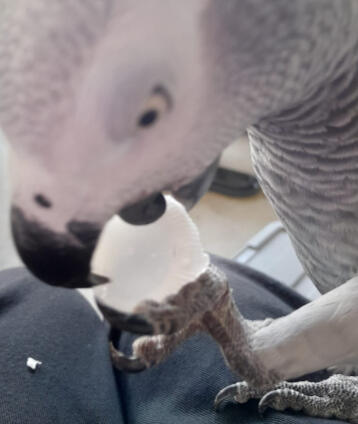
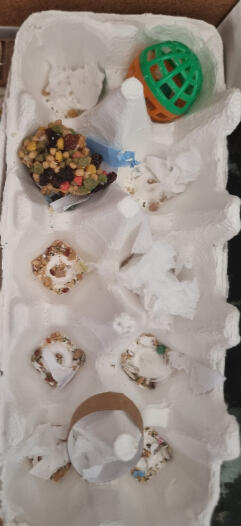
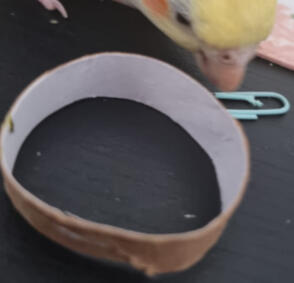
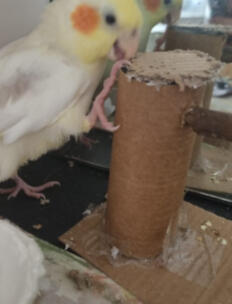
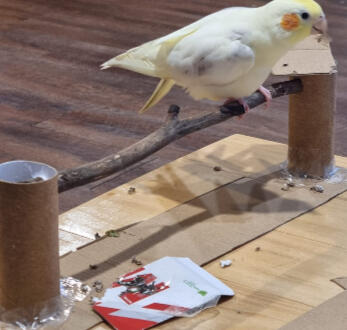
You can easily create toys and activities for your parrots to forage in and destroy from materials which you will throw out anyway.Bottle lids, eggs cartons, toilet paper rolls, scrap paper and cardboard, bird toys, natural sticks, and many more can be used! :)
Basics of parrot care!
Diet:
Your parrot needs a mixed and balanced diet of seeds, pellets, and vegetables. Fruit, nuts, and sunflower seeds should be given occasionally or as treats. Water must be changed and given fresh every day.Environmental needs:
A cage big enough for your parrot to spread its wings should be provided. It is important to let your parrot out of the cage for a few hours each day so they can get the exercise and mental stimulation needed. It also gives you a chance to bond and play. The cage should be cleaned regularly and toys/chewing materials should be provided at all times. The perches in your cage should be natural branches and different sizes and shapes.Social needs:
Parrots are naturally social animals, they need interaction for multiple hours a day and if left alone for too long, they will become depressed. Most parrots are able to live with just human companions, though lovebirds and budgerigars are happier with another bird from their species.
Teaching simple tricks such as step up, recall, and spinning on command will not only strengthen the bond between you and your bird, but also mentally stimulate and keep your bird happy.Mental needs:
Parrots need routine, such as waking up and being put to bed at, being fed and let out of the cage at the same times each day. If you change the routine constantly, they will be more frustrated and on edge. But parrots still require a regular change in toys and activities as well as varieties in vegetables being fed to keep them happy and stimulated.Health:
WING CLIPPING is not safe and can decrease your parrots quality of life and can cause them to hurt themselves while trying to fly.
Nail clipping/filing should be done if a parrots nails have grown too long and is making them uncomfortable, if you are not sure how to do it correctly then please consult a veterinarian instead of risking making your bird bleed.
If healthy, your parrots feathers should be clean, vibrant, and not regularly plucked out by your bird.
Eyes and nostrils should be clear and have no discharge or redness.
Beak should be smooth and at a normal length.
Your parrot should be eating and drinking everyday, flapping, chewing, playing, and happy. If they are not, please consult a veterinarian.